
Bowen Therapy & Myofascial Release
When your body feels tight, achy, or simply out of sync, it can be hard to move through your day with ease. Bowen Therapy and Myofascial Release are gentle, hands-on approaches designed to support relaxation, comfortable movement, and relief from muscular tension. At RVA Chiropractic & Wellness, we take time to listen to what your body has been carrying and tailor each session to your needs, preferences, and comfort.
These therapies can be used on their own or as part of a broader care plan. Whether you are managing everyday muscle tension, recovering from a period of physical stress, navigating chronic discomfort, or simply craving a quieter, more restorative approach to bodywork, we are here to help you feel cared for, understood, and supported.
Bowen Therapy
A gentle reset for the body
Bowen Therapy is a gentle form of soft-tissue bodywork that uses small, precise rolling movements over muscles, tendons, and fascia—the connective tissue that surrounds and supports structures throughout the body. Unlike deep-pressure massage, Bowen Therapy is typically light and intentional. The practitioner may pause between groups of movements, allowing time for your body to settle and respond before continuing.
Many people appreciate Bowen Therapy because the session feels calm, non-forceful, and deeply individualized. It can be a supportive choice for people who feel sensitive to pressure, who are carrying muscular tension, or who would like a restorative complement to chiropractic care, massage, movement, and other elements of their wellness plan.
Patients commonly seek Bowen Therapy for support with:
General muscle tightness, tension, and physical stress
Neck, shoulder, back, hip, or leg discomfort related to musculoskeletal strain
Feeling restricted or less at ease in everyday movement
Relaxation and body awareness during a demanding season of life
A gentle, complementary approach alongside an individualized care plan
Myofascial Release
Working with the body’s connective tissue
Myofascial release is a hands-on technique used to address myofascial pain and restriction. “Myo” refers to muscle, and “fascia” is the connective tissue that surrounds and supports muscles and other structures in the body. When muscles and fascia feel tight or sensitive, they can contribute to discomfort, limited ease of movement, or a sense of pulling in nearby areas.
During a myofascial release session, your provider uses sustained, comfortable pressure and gentle stretching to work with areas of restriction. The pace is intentional rather than rushed, and pressure is always adjusted to your comfort. The goal is to support relaxation, improve tolerance for movement, and help you feel more connected to how your body moves and feels.
Myofascial release may be included to support:
Muscular tightness and myofascial tenderness
Comfort and mobility in areas affected by repetitive use or postural strain
Low-back, neck, shoulder, hip, or other musculoskeletal discomfort
Recovery and movement support as part of a broader wellness or rehabilitation plan
Relaxation and relief from the feeling of being “bound up” or restricted
Overall Benefits


Gentle, Hands-On Care
Thoughtful techniques tailored to your comfort and goals.

Tension & Stress Support
Helps encourage relaxation in tight or overworked areas.

Movement & Mobility Focus
Supports ease of movement and body awareness.
Personalized Experience
Care that begins with listening to your story and needs.
What to Expect
Your visit begins with a conversation about what you are experiencing, your health history, and what you hope to get from care. We will discuss any injuries, surgeries, sensitivities, or relevant conditions so we can determine the best approach for your care. You remain comfortably clothed unless otherwise discussed, and we will explain what to expect before beginning.
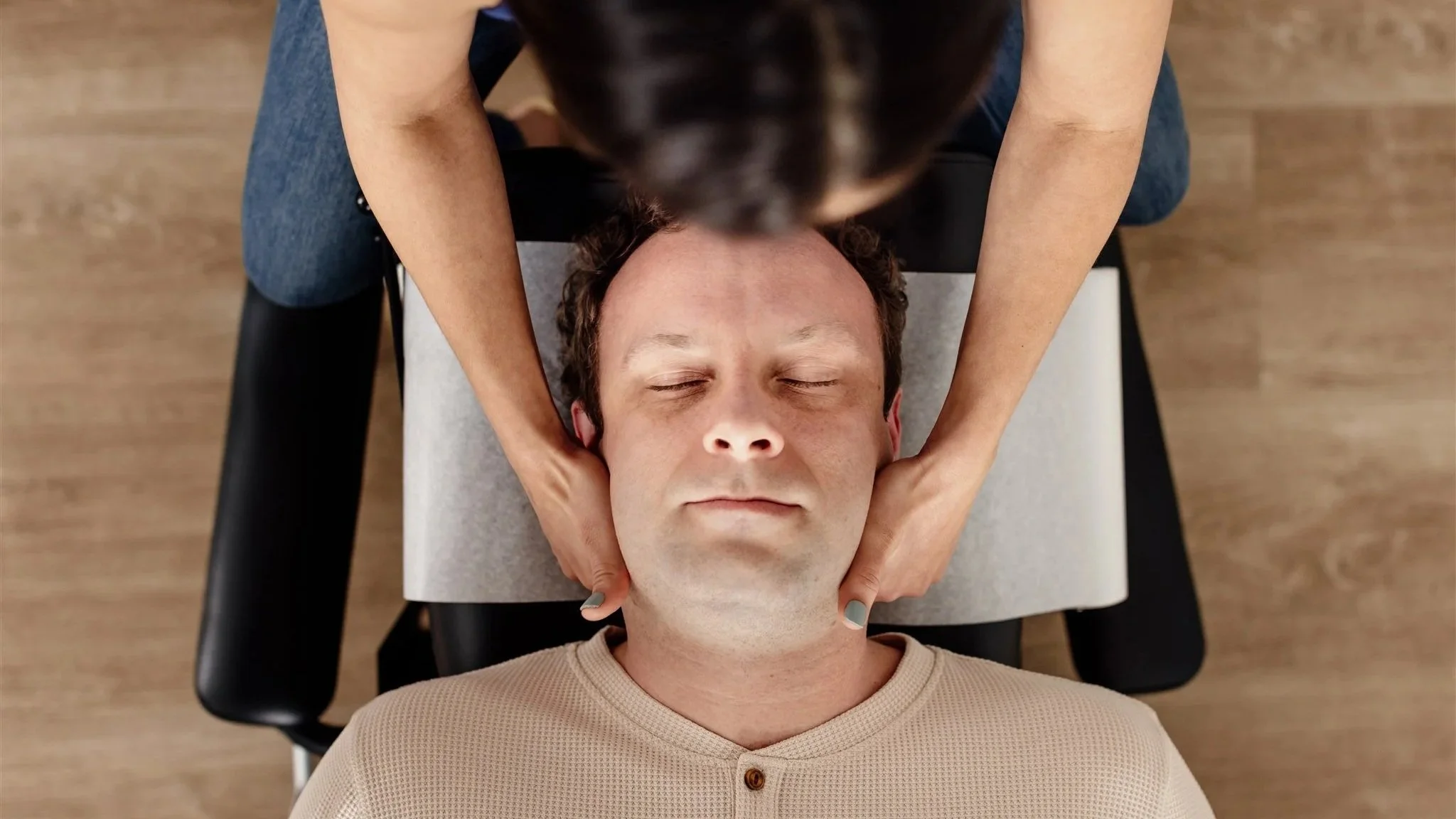
During the session, you can expect gentle, deliberate touch and clear communication. Tell us at any time if a position, pressure, or technique does not feel comfortable. We will adapt the session around you, never the other way around. Afterward, we may offer simple recommendations based on your individual needs, such as hydration, gentle movement, rest, or follow-up care.
Bowen Therapy and Myofascial Release can be used separately or combined when appropriate. Both are gentle, hands-on options that allow us to focus on the tissues contributing to tension and movement restrictions. Your provider may also recommend integrating these techniques with chiropractic care, massage therapy, mobility work, or other services offered at RVA Chiropractic & Wellness, depending on your goals and clinical needs.
There is no one “right” response or timeline. Some people notice a sense of relaxation or ease after a session, while others benefit most from a series of visits and a broader plan that addresses daily habits, activity, stress, and movement. We will be honest about what these therapies can address, and we will help connect you with the right provider if your symptoms need further evaluation.
You do not have to push through tension and discomfort alone.
Schedule a Bowen Therapy or Myofascial Release visit today, and experience care that is gentle, attentive, and centered on helping you feel more at ease in your body.
FAQs
What is the difference between Bowen Therapy and Myofascial Release?
Both are gentle, hands-on therapies. Bowen Therapy uses small, precise soft-tissue movements with pauses between them. Myofascial Release typically uses sustained pressure and gentle stretching to work with areas of fascial and muscular restriction. Your provider can help determine which approach—or combination—best fits your needs.
Does Bowen Therapy or Myofascial Release hurt?
These therapies should be comfortable and are not intended to be forceful. Some areas may feel tender or sensitive, but you are always encouraged to communicate with your provider so pressure and technique can be adjusted.
What should I wear?
Comfortable clothing that allows you to move easily is usually best. We will let you know before your visit if any specific preparation is recommended.
How many sessions will I need?
That depends on your symptoms, goals, history, and response to care. Some people use these therapies for occasional support, while others benefit from a series of visits as part of a broader plan. We will discuss recommendations that are personalized rather than prescriptive.